Going to the family holidays is… complicated.
Estrangement from immediate family is less prevalent than the narrative getting spun in the media. Parent-child estrangement is being spoken about like an epidemic sweeping across North America taking parents’ children suddenly away from them. The finger of blame is often pointed towards us therapists like we’re some sort of Angel of Death for the Family Structure.
Most people I have spoken to that say, “I’m no contact with my family,” are not.
They’re in relationships with their family to a certain capacity that is usually from a place of survival, rather than warm, affectionate feelings. The family relationships are more like business dealings from an obligatory meeting in the calendar or a contractual agreement. Or there may be relationships with some immediate family members, and others are non-existent, distant, or emotionally tenuous.

Photo by Viktor Talashuk on Unsplash
Very few adults go absolutely no contact with their parents for the entirety of their adult lives after making the decision to go no contact. Examining the numbers, adult children, who became estranged from their fathers are 8% likely to have permanent estrangement while 1% of those who became estranged from their mothers are permanently estranged. Compare this to the general 6-and-26% of adult children that make a decision to go no contact with their mothers and fathers. And it’s of no surprise that when an adult child is not heterosexual, the risk for parent-child estrangement increases. There’s a fatigue that’s experienced in trying to cultivate an unconditional love with parents when closeness and care from parents was dependent upon a set of socio-cultural expectations for group acceptance.
So why do 2SLGBTQIA+ adults remain in contact with their parents who miss the mark with allyship?
Closeness and love
Parental growth
The unique parent-child role
Importance of parental resources
These protective factors can be difficult to come by, however, when you’re 2SLGBTQIA+ and have conservative Christian parents.
There is a very real struggle to feel closeness and love from a parent who spanked you as an infant, and yet this is something more common in conservative Christian homes than the general population may realize. When these parents believe that their child is born a sinner, and anything their child does that frustrates them is considered by them “sin,” the parents are taught that corporal punishment for their child (even as an infant) will bring their family closer to God. These parents who are sleep deprived from having an infant may interpret their sleep deprivation as a spiritual attack through their infant’s crying and will pray and spank their infant in response. As the child grows older, these parents may cry, “Why doesn’t my child feel like he can open up to me?” Because it was their own doing of silencing their child since infancy.
Conservative Christian parents believe that they have dominion over their children so growth to meet the level of their adult children’s maturity may not align with their beliefs. These parents’ growth is stunted from the arrested development that happens by indoctrination. For adult 2SLGBTQIA+ children to be well loved and cared for, there needs to be parental growth that stretches beyond the heteronormative and rigid gender expectations that conservative Christian parents had for their child since before they were conceived.
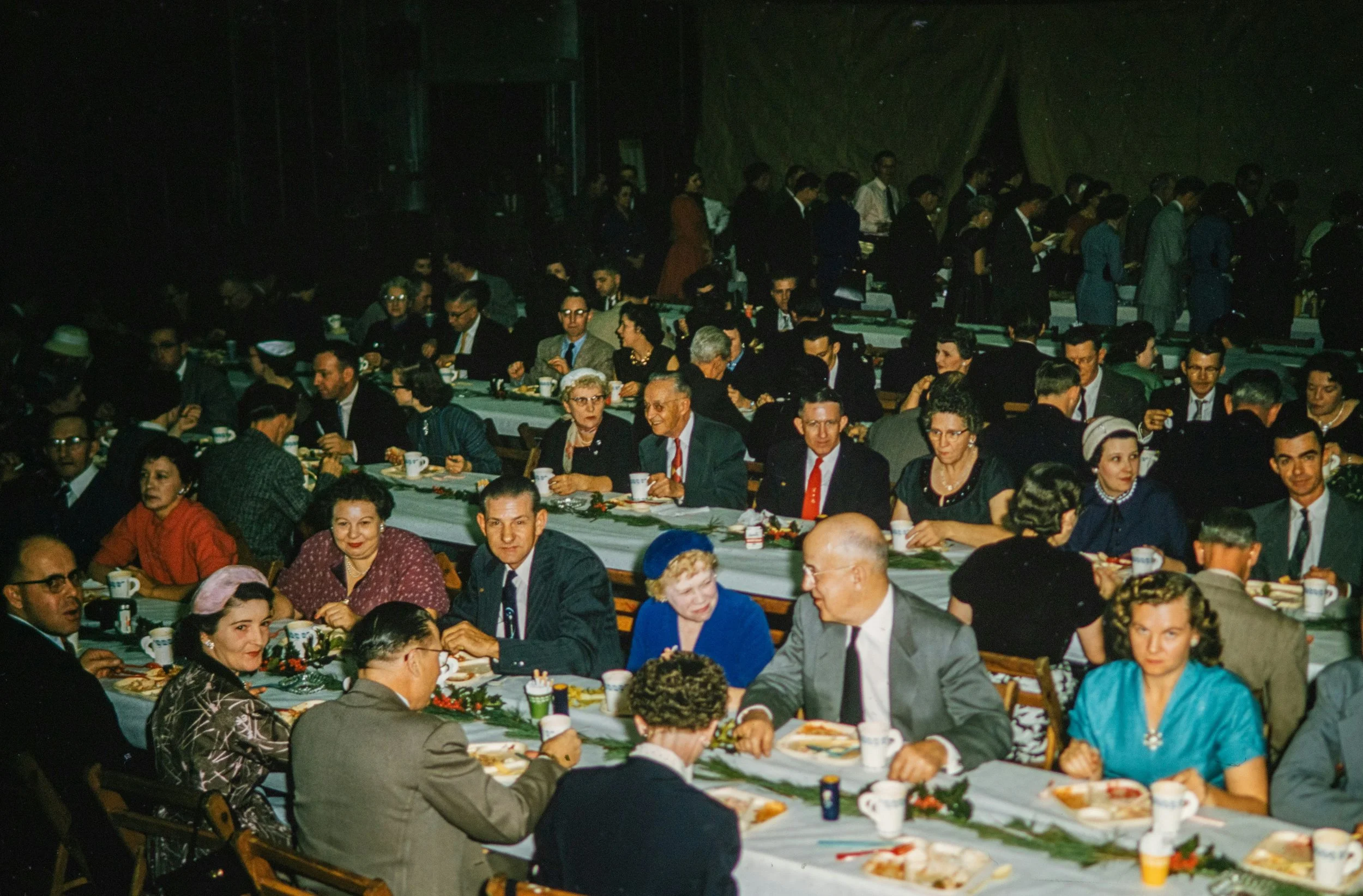
Photo by Annie Spratt on Unsplash
In conservative Christian groups, there are strict expectations for parents as well which creates uniformity in the religious groups. How one child is parented in the group may seem out-of-the-ordinary to someone from outside of the religious group, but within it? The parenting is normative from the behaviours, to words, to expressed or non-expressed emotions, to stylistic elements. There is a lack of uniqueness found in parent-child relationships when the family comes from a conservative Christian background. This stripping away from authenticity can devalue the relationship after the child becomes an adult and reflects on the uniform nature of the relationship.
As a religious trauma therapist who works primarily with the 2SLGBTQIA+ population, I’ve seen that it’s usually parental resources that prevent permanent estrangement in parent-child relationships. Keeping the relationship alive typically comes from scarcity that might even have been caused by the conservative Christian ideology. From what I’ve noticed, the resources are usually based on a bartering-system rather than a solely financial one.
According to the Pew Center for Research, 83% of Christian households in the US make under $100,000 annually with most of these households being families of four. Christian groups teach that it is a commandment to tithe 10% of your gross income to the church. With child tax deduction credits, 10% of tithing gross income could be thousands of dollars more than combined income tax for households of four.
In a way, tithing and paying combined income tax would be like having double taxation, reducing the take-home pay significantly.

Photo by Corsin Taisch on Unsplash
Conservative Christian parents may believe that tithing their gross income at 10% will bless their family in health and wealth, but the reality is that it compiles a financial burden making it more difficult to pay bills, including privatized healthcare. Because of this grim reality, conservative Christians and their families may rely more upon a bartering system for resource needs, which can trap people in a cycle of abuse. Babysitting, caregiving, and manual labor may be what keeps parent-child relationships alive in families that were impacted by Christian conservatism.
The holidays are quickly approaching, and `I hear, “I don’t even know why I’m even going to the family holidays” from so many who were raised by conservative Christian parents. I listen to their doubts as they wrestle with recognition that there wasn’t closeness, unconditional love, parental growth, or uniqueness in the relationship that they had with their parents. Their relationship was built on survival with their parents trying to maintain status in their conservative Christian community, and their adult children trying to stay afloat after being underresourced from their upbringing.

Photo by Flore Perrault on Unsplash
Here’s 5 questions to ask yourself if the only thing keeping you attending your conservative Christian family’s holidays is based on resource survivalism:
Do you currently need your parents’ resources, or is this narrative based on a previous time of your life?
If your parents didn’t have you as a resource, who in their church could help them with resourcing their needs?
What would you need to do in the next year to decrease your resource reliance upon your parents by 30%?
What holiday activities could you miss by attending later or leaving earlier for reducing the emotional burden of spending the holidays with your conservative Christian family?
Who could help you practice asserting reasons for a later arrival or earlier departure from your conservative Christian family’s holidays?
If the only thing that is keeping you in a relationship with your parents, who have endangered you, is resources, there’s help beyond your conservative Christian family. Please reach out to the support lines below or find your country’s national domestic violence support network online to develop a plan for building resource independence from your conservative Christian family.
Support lines for Domestic Violence: