Therapy for you and your family
It felt like the family was falling apart.
After one, two, three, or more family members start to develop their own beliefs, apart from what was taught in their upbringing, it can feel like the family is falling apart. There may be questions of whether contact is possible when every family gathering turns into a theological debate. And what religious practices once masked, suddenly come to the surface after family no longer believes in previous religious traditions. Many people turn to religious practices for coping with generational addiction, mood disorders, anxiety, OCD, and more. The inherited conditions may be noticed differently when a person no longer engages in the family’s religious practices anymore.
Fingers are pointed.
And those who left the religious practices may be told, “if you didn’t never left, you wouldn’t feel this way.”
The family who left the religious traditions push back, “At least I talk about it. I’ve heard you pray and know you feel it too.”
The conversation goes back and forth with no clear direction out so it concludes like it always has. You and your family are exasperated and leave depleted of energy, taking days to recover from the frustration. “How much longer can we keep doing this?” You wonder.
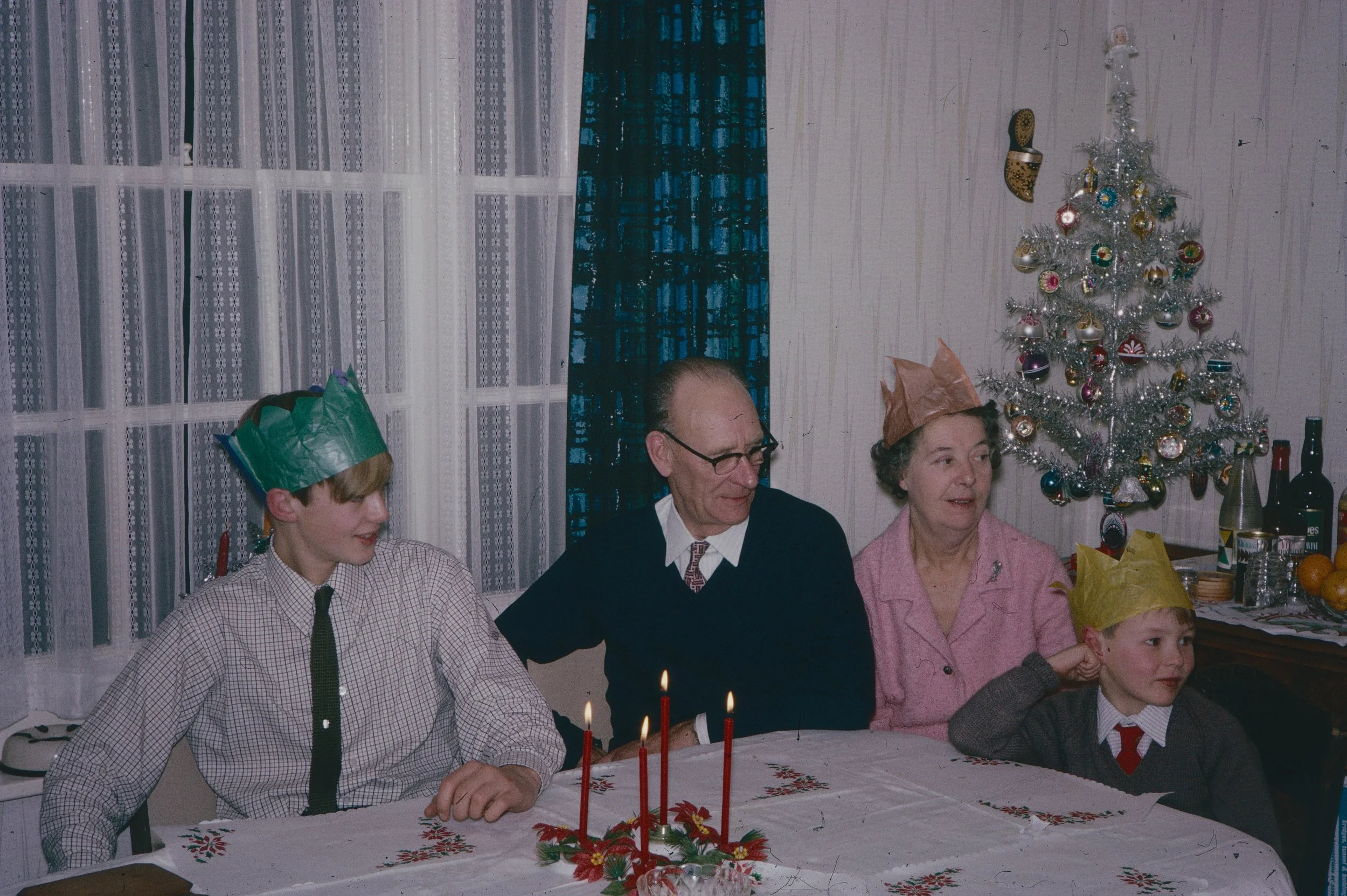
How do we survive the holidays when our family no longer shares the same beliefs?

About Kit’s Approach to Therapy
You realize that your family relationships can’t keep going like this. Your blood pressure rises. You lose your cool with them like ice cream quickly melting from your hand and onto your shoes on an afternoon in July. It’s a sticky situation, and you’re not sure what to do.
You think of family therapy with parents and their young children, but now that the everyone is grown? It feels like it’s too late for family therapy.
Kit Morgan, LCSW understands from both personal and professional experience that family dynamics with multi-belief systems are complicated to navigate. And if members of the family are involved in ministry roles? There’s more added nuance.
In families affected by religious-based conflict, what is at the core of the conflict is a desire to adhere to the same beliefs.
The purpose of family therapy is not to convince a family member of who is right or who is wrong. The Gottman Method for relationship therapy guides Kit in practicing with families affected by religious-based conflict. Kit believes that there are three guiding principles in practicing family therapy for adults:
Become a better friend to yourself and your family members.
Manage conflict in family relationships with effectiveness and confidence.
Create shared meaning in the family relationships.
Therapy Inquiry
the church taught you to “love the sinner, but hate the sin.” now you wonder how that works. you want to honor god, your family, and the church, but you can’t please everyone after coming out.
the investment of therapy for your relationship(s)
Family therapy at the Liberated Porch is offered only to adult residents in New York, Virginia, Indiana, and soon to be the province of Ontario! Therapy is only offered virtually.
The Liberated Porch is out-of-network and costs $200 CAD (approx. $160 USD) per session for family therapy. Kit Morgan, LCSW, who provides therapy at The Liberated Porch notices that families find clarity about their family relationships between 6 to 20 sessions. In finding clarity, Kit has seen clients deepen their family relationships, manage conflict effectively with the skills that they have developed in therapy, and create shared meaning in their lives despite having different beliefs. It takes more than showing up to reach these goals. Each client needs to be prepared for changing their perspectives and behaviors outside of the therapy sessions to receive the most benefits from relational therapy.
Please note that Kit Morgan, LCSW does not provide family therapy to clients where domestic abuse is present. If you have been experiencing abuse in your family, please reach out to the National Domestic Violence Hotline for developing a plan to reach safety 1-800-799-SAFE (7233)