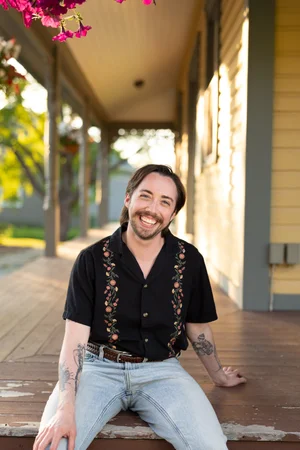
Bisexual and Worthy of Love and Community
I naively thought that upon moving to New York, my bisexuality would be received well.
It wasn’t.
I quickly learned that even outside of the Bible Belt, bisexuality was condemned. I didn’t know that the world outside of the church would perceive bisexuals to be untrustworthy and confused. Actually, encountering biphobia amongst heterosexual, gay, and lesbian people left me confused!
“Pick a side!” They’d say like it was a sports game with two teams.
And I wondered how dating and relationships had become so much of a game to people that love and attraction mattered less than appearance and perception. Purity Culture had seeped more into the Mainstream than I had thought. And the longer I was out of the Bible Belt, the more I noticed that Mainstream Society has a lot of unpacking to do with biphobia.
Am I Bisexual or Pansexual?
You can be bisexual and attracted to transgender people. Sometimes bisexual people feel like they have to change the label of their sexual orientation to pansexual because they’re attracted to cisgender and transgender people. But if identifying as bisexual lights you up, why get rid of the label?
There’s a key difference between bisexuality and pansexuality.
For pansexual people, gender is irrelevant. Gender expressions bear little to no weight for pansexuals when they are attracted to another person. Instead, they are interested more in someone’s personality and physical attributes that are unrelated to gender identity and gender expression.
Portrait of a man by Edu Bastidas for Unsplash+
Pansexuals won’t have an expectation of how they would like to engage in dating experiences that are `based upon a person’s gender identity or gender expression. Bisexual people however will have gender preferences when dating.
For instance, a pansexual person may want who they’re dating to walk them to their vehicle after a date, regardless of the person’s gender. A bisexual person, who’s femme and going out with a masculine-presenting person, may expect their date to walk them to their car, but that expectation would not be there if going out with another femme person.
The expectations for dating and relationships are different when being bisexual and pansexual.
Are You Going to Leave Me?
When someone comes out as bisexual to their opposite-sex partner, there’s two common responses:
Are you going to leave me?
Do you want to open the relationship?
These fears of abandonment are driven by morally black-and-white thinking. Let’s dispel the myths. Bisexuals are not more likely to cheat, nor do they simultaneously need partners of multiple genders to be sexually and romantically satisfied.
If a partner comes out as bisexual, an appropriate response would be, “I’m so glad you told me. Would you like to talk more about it with me?”
Am I Bisexual or Straight-ish?
It makes me sad every time one of my bisexual friends will say, “Can I go to that Pride event when being in a relationship with someone of the opposite sex? I feel like I’d be judged.”
The fear of this happening is rooted in lived experiences. Bisexuals are still discriminated against by lesbian and gay communities. Hurtful words like, “You’re straight and just co-opting our culture…. Traitor… You don’t love yourself” get hurled towards bisexuals.
Words like this can be expected from straight people, but from within the community that bisexuals hoped to be a safe place for self-expression? It stings extra.
The judgment from within the lesbian and gay communities can also significantly limit bisexual people’s experiences in dating the same-sex.
Why Can’t I Just Make Up My Mind?
“It’s a phase… it’s a stepping stone,” biphobic people will talk about bisexuality like it’s a shared experiences of Adolescence.
It’s not. Only 4% of American adults identify as bisexual. That’s not very much! Let’s consider if you’re at a local gym, and there’s 25 people working out. Now picture that— only one of those people on a busy day at the gym is bisexual.
Lack of bisexual representation can make it more difficult for people to know whether they’re bisexual. So often, the question is— are you straight or gay? There’s very little room for nuance in asking questions about sexuality in our Mainstream Society.
When we have space for self-expression, we can form the ability to articulate our desires better. To support bisexuals, we need more of these spaces!
Many Years Later
While I identify as queer, which encompasses my sexuality, gender, and values, bisexuality still resonates with me to this day. Sexuality is expansive, and our language for self-expression may be ever-evolving.
If you are new to recognizing your bisexuality, I want you to know that you were not confused about your sexuality. Purity Culture restricted the language and education about bisexuality from us at a young age so we didn’t have the words to articulate our desires and interests. We deserved better.
To the bisexuals in a “straight-presenting” relationship, I see you. Gay and lesbian people who call you straight, need a tune-up for their Gaydar.
And to the allies whose partners came out as bisexual, that disclosure was choosing closer intimacy with you. Practicing vulnerability in the relationship was making an active decision to not just have a relationship status with you, but to be in relationship with you.
Happy Bisexual Awareness Day!