Today is American Thanksgiving. Growing up, preparation of the Thanksgiving dinner would begin the day before after school. We’d wake up early on Thanksgiving Thursday and cook some more while the Macy’s Day Parade played on the antenna television. As casseroles baked, my sister and I drew placards for each guest. After Santa Clause waved in the Macy’s Day Parade, and the credits began to roll, my mom would say on cue, “All right! Time to turn the tv off. Your cousins are coming in a few minutes.” And like a choreographed scene, my cousins would appear in a few minutes after Santa Clause’s entrance for the Macy’s Day Parade every year.
The Thanksgiving dinner would be ready by the time my cousins had arrived, and we would gather in the living room to sing the Doxology before prayer.
Helpings for Thanksgiving dinner were just as organized. Whoever cooked followed the elders who filled up their dinner plates first, then the girls, and finally the boys and men. Sitting around the table to eat, we each had to say something that we were grateful for, and there could be no repetition. Sometimes 15 of us were there for Thanksgiving, and I desperately hoped to not be last.
After our belts had to be released from their buckles, my sister, cousins, and myself would perform our classical music instruments for the family. By the end of the songs, the food coma would be worn off for our Thanksgiving Walk, followed by pie. The day would end watching White Christmas while stringing popcorn and cranberry garland on thread with a sewing needle.
Thanksgiving was regimented. Every tradition was predictable. The blessings were rehearsed and memorized. It was sterile and reminiscent of the Pilgrims and Puritans.

Image by Lisa Forkner of Saltwater Marsh with Cape Cottage, Located in Great Sippewissett Marsh, Drift Road, Falmouth, MA, USA
Cut from the Same cloth
With American Thanksgiving, the narrative is focused on the Pilgrims, but very little is known about them except that they were colonizers who wore monochromatic clothing. Pilgrims and Puritans are used interchangeably as though they are the same religious group, but they’re different Protestant groups. And the Pilgrims didn’t even call themselves Pilgrims! That name didn’t come around until the 1800s when history was being written about the “Separatists,” a fringe Protestant movement that separated from the Church of England. Not unlike many non-denominational Evangelical churches today, which meet in houses for worship.
American history books will tell you that Pilgrims (or Separatists) fled England because of religious persecution, but they were all Protestants so what was the problem?
Unlike teachings from the Church of England, they didn’t believe that you were born into the faith, but that you were born a sinner and in need of conversion. They didn’t want their taxes to go towards the Church of England or be mandated to attend the Church of England on Sundays (Yes, that was a thing). Separatists still believed in going to church weekly and keeping a Sabbath. Their worship gatherings were more freeform than the Church of England’s liturgical practices.
Essentially, the Church of England saw Separatists as a threat because of Separatists’ theology relied upon charisma and spotaneity, lacking structure. Without systemic rigidity from birth to death in Protestantism, it would be more difficult to govern. And this is why Separatists were seen as political enemies of England in the 1600s so Separatists fled to what was known as The New World.
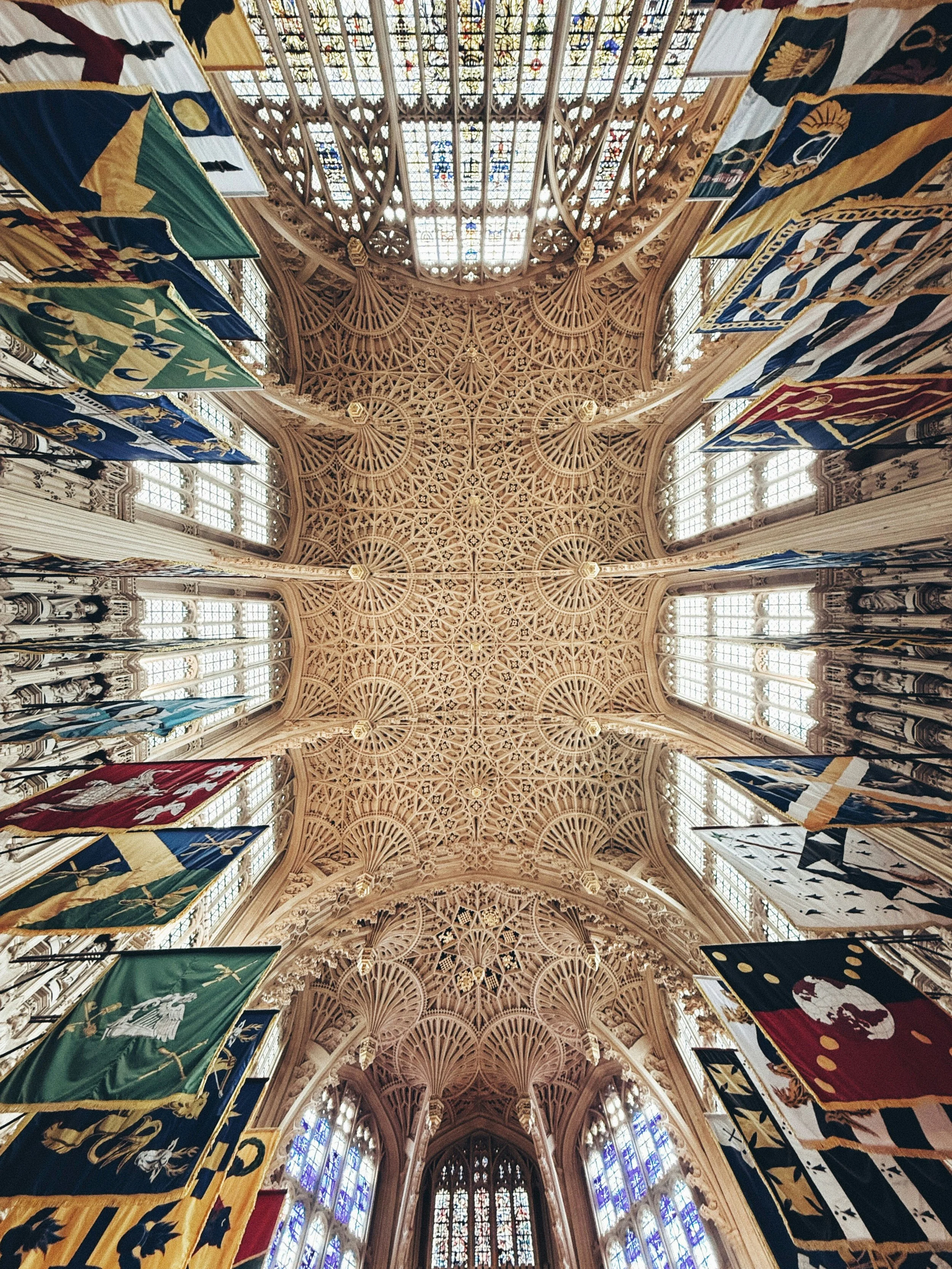
Photo of the Westminster Abbey in London, UK by Maik Winnecke on Unsplash
So who were the Puritans then? Consider them like the Separatists’ wealthy cousins. They believed that it was possible to pledge political allegiance to England while also maintaining separation of church and state in church leadership being elected through a democratic, church congregational process.
Puritans didn’t leave England for “The New World” because they were seen by England as political threats. They saw colonization as a method to grow their wealth. While Separatists remained on the fringe of society, Puritans’ wealth and status increased by colonization in the 1600s.
Their Descendants Remain
You’re not going to see people dressed in the clothing of 17th-century English colonizers in North America today, but you will see the Separatists and Puritans’ descendants everyday. Congregationalist, Presbyterian, and Baptist churches all descended from the Separatist and Puritan religious movements. And their likeness can be seen most often in white, fundamentalist traditions of these denominations:
Ungovernable by the state
Sermon-centered faith
Personal piety
Moral rigor
Conversion after infancy
Distance from mainstream culture
Uncompromising worldview
Today, Protestants who practice their faith in a Separatist or Puritan-like manner are called, Christian Nationalists. Like their colonizing ancestors who may say that they come in peace, their strict theology only allows peace to those who conform.
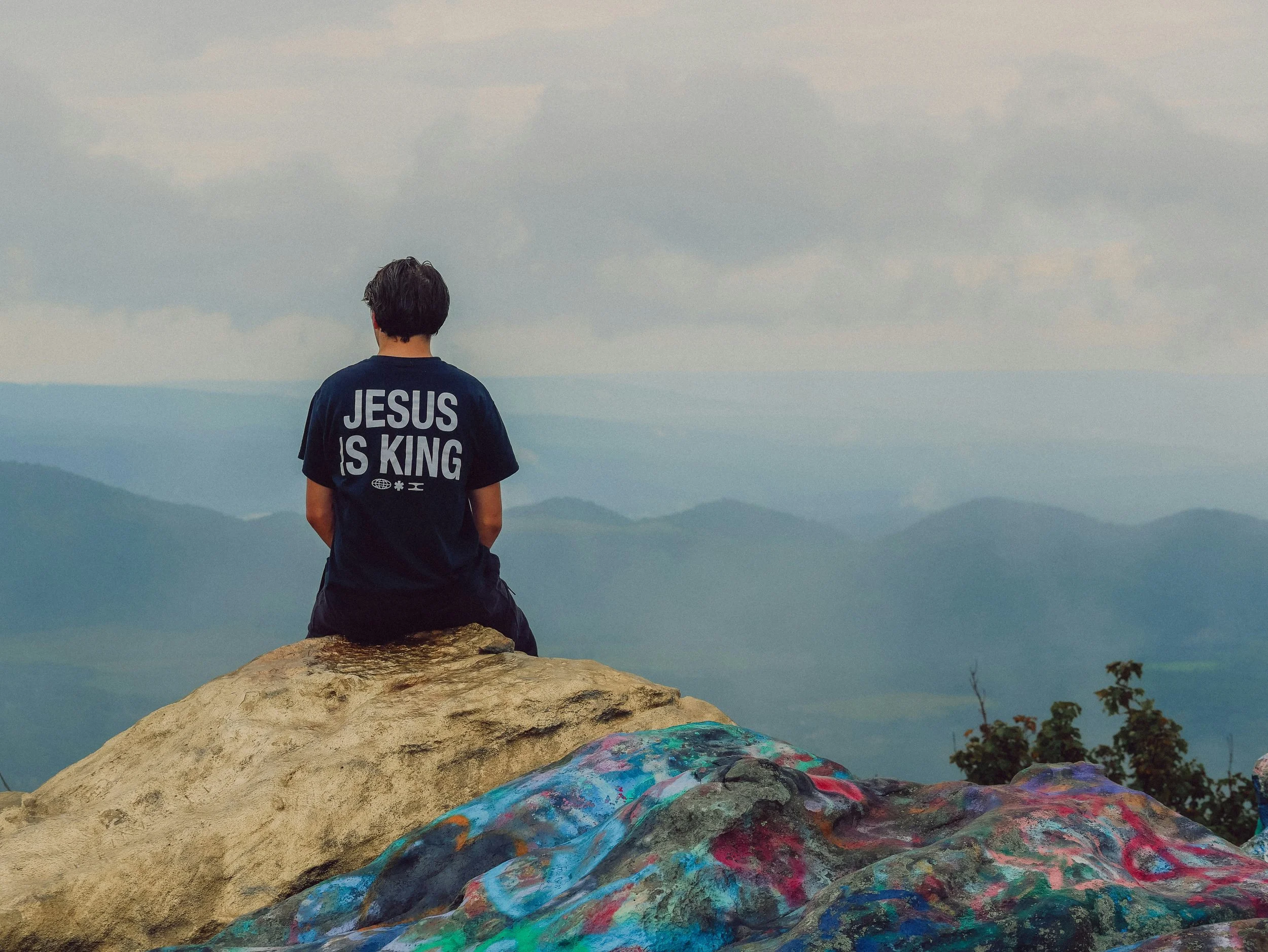
Photo by Michael Eufemia on Unsplash
There is a performative gratitude that comes from the Separatist and Puritan movements. It presents their character in a good light that outshines the areas where personal responsibility is needed but avoided.
It’s been many years for me since celebrating American Thanksgiving. And this day causes me to reflect on my own religious history. I was born to Baptists, denominational descendants of Separatists and Puritans. I was taught their moral codes and followed them for the first 20 years of my life.
Part of religious trauma recovery as an ex-Baptist or ex-Puritan is acknowledging that the work of decolonizing will never end as long as I live. Separatists and Puritans lived their lives forever seeking means to ends of cultures, people, homes, natural resources, and more. Recovering from this ideology can look like no longer finding gratitude in colonization, but practicing gratefulness for each time you took personal responsibility when it was difficult to do so. Breaking beliefs and habits that have been in your family for hundreds of years is hard, but it’s possible.