Fear No Evil, Ethically Practicing Spirituality
Before the trick-or-treating hours, I would go with my family to Megaplay for arcade games, inflatable jousting, and the playland. We’d leave before I was ever ready to.
"Hurry!” my mom would say with urgency in her voice, “before the trick-or-treaters will come.” My sister and I would hustle out of the Megaplay with our mom.
We’d be dressed in our Baptist school clothes with long skirts and shorts underneath, no costumes other than the Baptist dress code we were expected to wear for propriety’s sake.
We’d take the long way home to avoid trick-or-treaters. I would look out the van window, envious of the other children in costumes going door to door for candy. My mom reading my voiceless expression would say, “I got you candy.”
It wasn’t the same, and I knew it.
I didn’t care about the candy from strangers. It wasn’t the fear of missing out. I observed the missing out, unless we arrived back home before the trick-or-treating hours. Then we would hide in our basement and pray that God would protect us from evil during trick-or-treating hours.
On occasion, trick-or-treaters would smash our painted pumpkins, and my mom would respond, “the devil seeks to destroy and kill” on Halloween.
My mom held firmly to superstition even after her conversion to Evangelicalism during the Satanic Panic of the 1970s. I heard stories from her about witnessing levitation, screams from books about witchcraft, and bedside demons. As I reflect on her stories today, I recognize that there are many families like mine, but their stories remain within their families in hushed tones, fearful of what others may think about them.
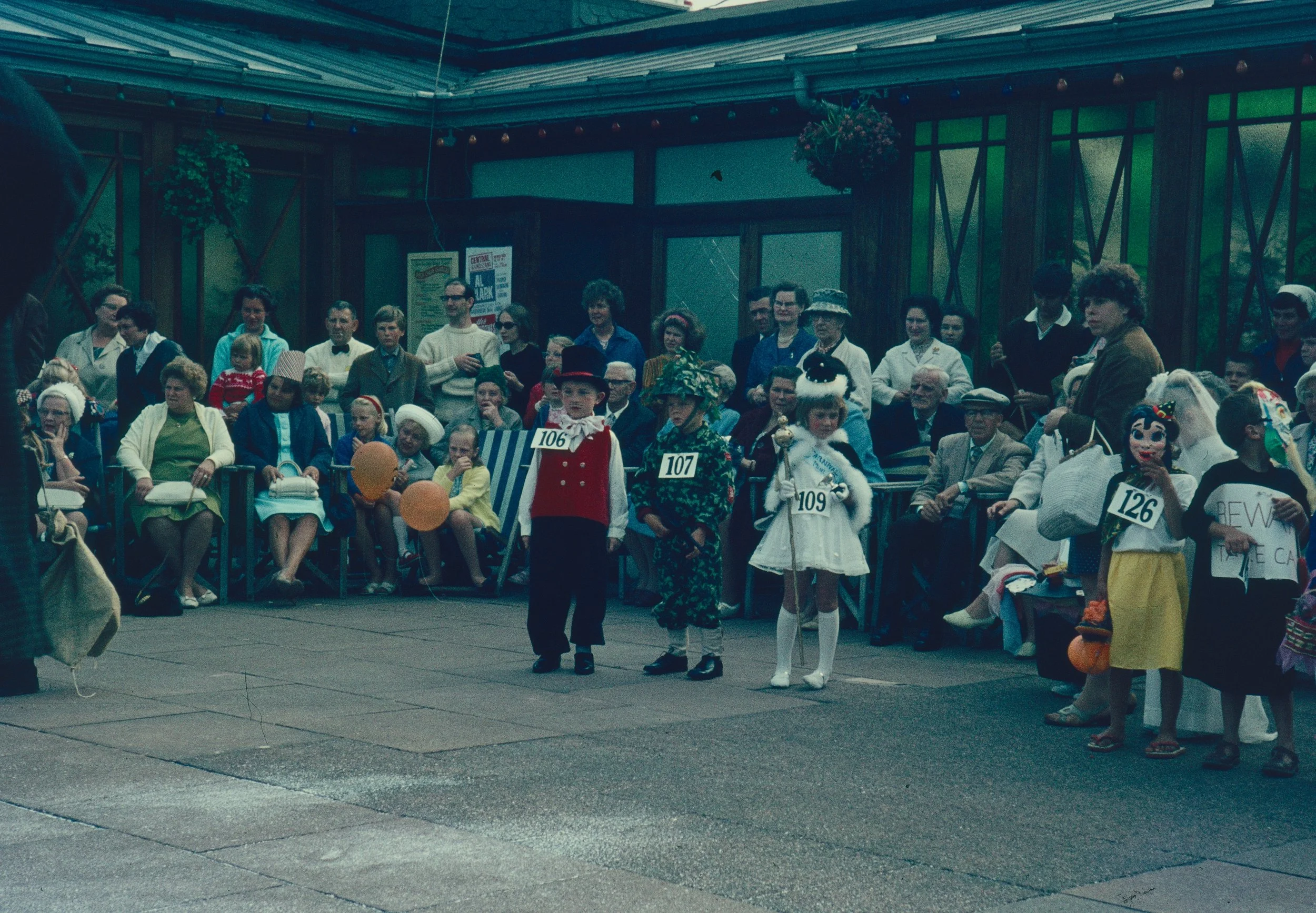
Kids on Halloween by Annie Spratt on Unsplash
I think my family and others who converted to Evangelicalism in the Satanic Panic were trying to find relief from substance use disorders and mental health conditions when treatments were less safe than attending church on Sundays. After treatments became safe and effective however, families including my own, held onto their superstitious beliefs that validated their paranoia, isolation, and compulsive behaviors.
When leaving Christianity, superstitious beliefs may still remain. And the superstition can feel as unsettling as it is isolating.
Working with former Christians, who are queer, in therapy, I often see an interest in exploring animism and spiritualism, but they wrestle with great fear about their curiosities. Fear of spirituality outside of Christianity was conditioned into them by the Church and inherited through generations of their families.
People often expect me to say that the fear of inviting evil into their life is irrational, but I don’t.
While I don’t subscribe to the superstition that was taught to me in my childhood, I do acknowledge that there are mysteries unable to be explained by science.
Evangelicalism left no room for mystery. Everything had an explanation by some interpretation of the Bible. In my deconstruction, I had to come to the radical acceptance that there are many experiences that have no explanation.
I can’t tell you by science how a person speaks to a medium, who shares highly specific things about the deceased family member which couldn’t have been known by anyone else. I can’t find from science how a person could have a dream that predicts details of future events. I don’t know how strangers may approach someone with personal information that they couldn’t have otherwise known regarding their current, difficult life experiences— giving them the courage to persist in hard times.
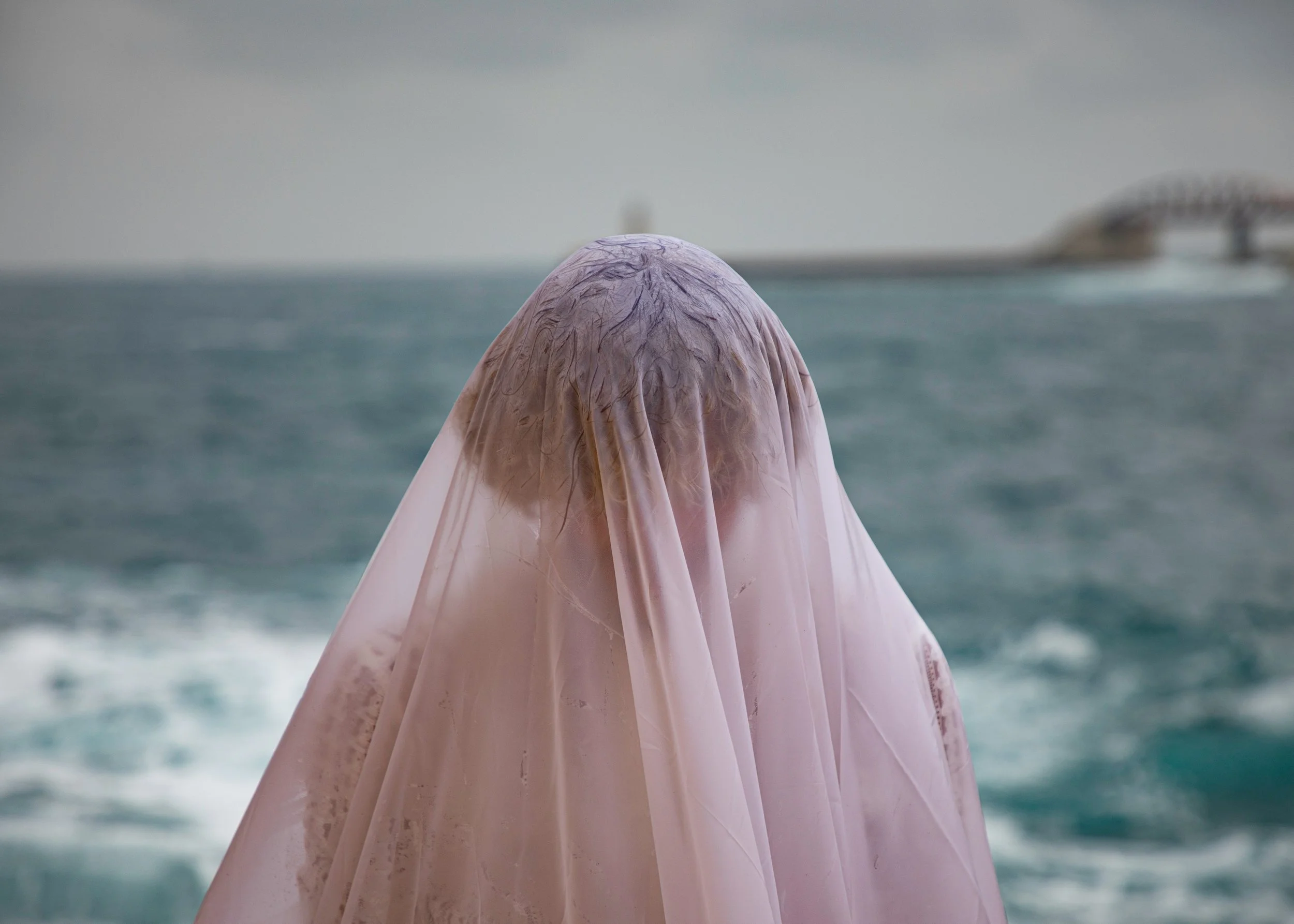
There is so much that is unknown about spirituality from a scientific perspective where I don’t want to be quick to categorize what is rational and what is irrational in regards to spiritual beliefs.
Here’s 10 things I encourage people to consider though that are curious about exploring spirituality outside of Christianity:
How long has the spiritual practitioner (i.e. reader, medium, psychic, etc.) been practicing?
How does the spiritual practitioner work on their positive and negative biases outside of their spiritual practices?
If the spiritual practitioner is white, what is their relationship with First Peoples’ spiritual practitioners like?
What is the spiritual practitioner’s protocol if a spirit is abusive?
How does the spiritual practitioner honor environmental sustainability with their practices? For instance, does a white spiritual practitioner know where they sourced their ecological materials from that they use in their spiritual practice? Were the materials poached from First Peoples?
What is the spiritual practitioner’s protocol to addressing spiritual bypassing in their work with clients?
What steps does a spiritual practitioner take for informed consent in their practice?
Has the spiritual practitioner been trained in mental health first aid?
How does the spiritual practitioner address resentments in their spiritual practice?
Does the spiritual practitioner have a referral network for medical and psychological health services for clients?
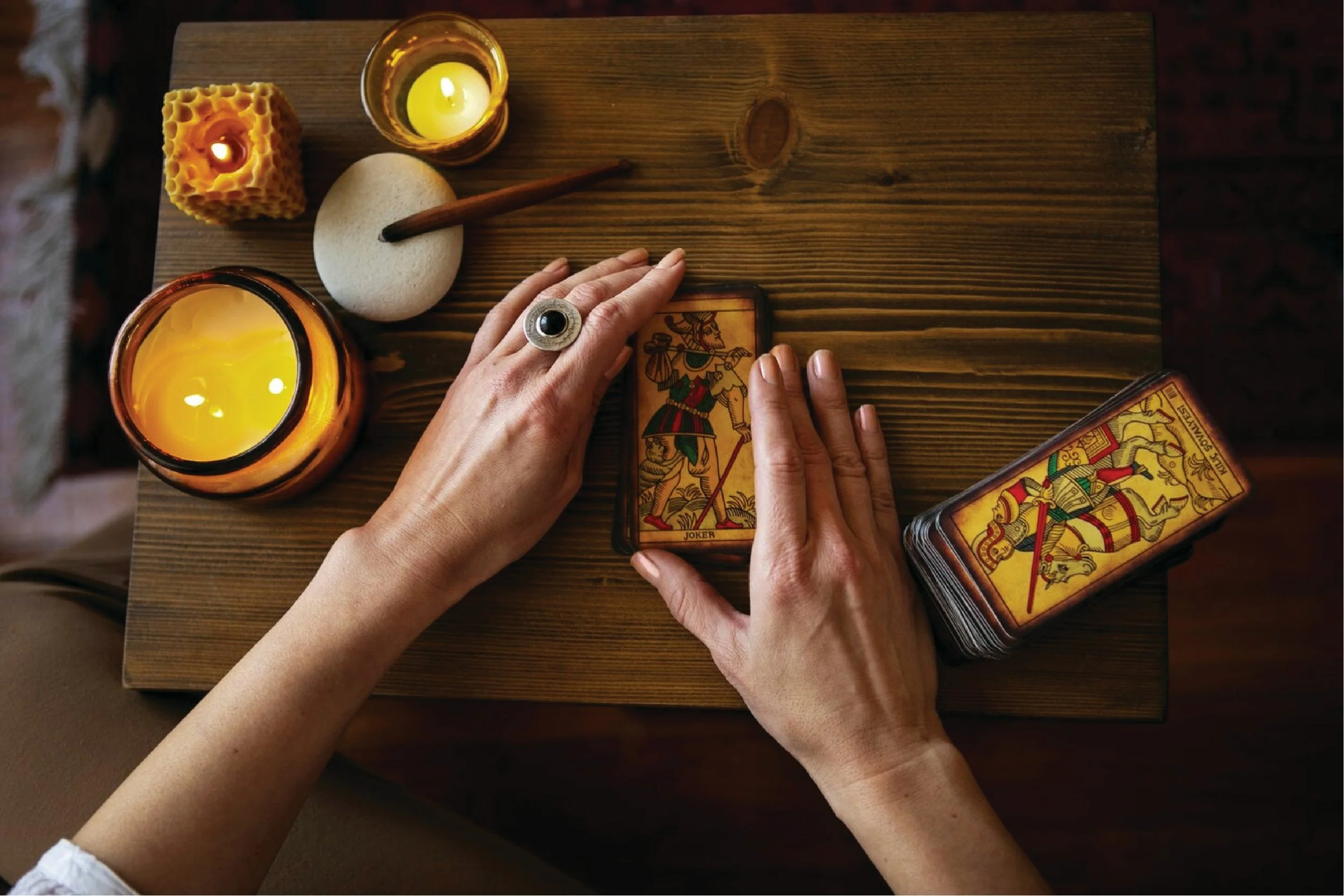
Practicing tarot by Joey Jacob on Unsplash
Spirituality doesn’t need to be met with paranoia, but could it be helpful to approach with caution rather than free fall?
Absolutely!
Before diving into any new practice, it is beneficial to question how might the practice be ethical and trauma-informed. While we may not be able to explain many spiritual practices through science, it is possible to practice spirituality that’s supported by trauma-informed, liberation-oriented care.